
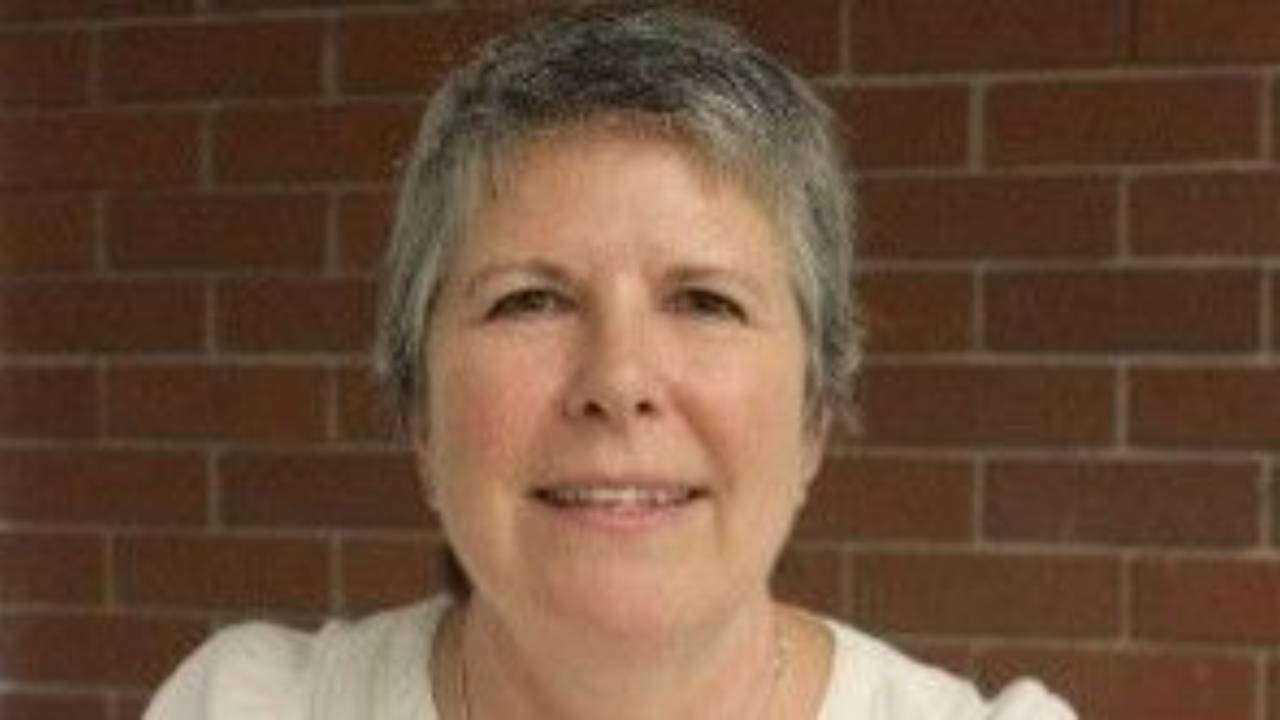
There are moments in every professional journey when you pause to look back — not because the work is finished, but to step back and see how far you’ve come, and where you are going. As I reach the end of another year, I find myself reflecting on the past two years of developing the TransitionsApp and the Cornerstone TSA Education Program.
When I first had the idea to create a product that could support vocational rehabilitation professionals in our work, I had no roadmap — just a vision, and a strong belief that something better was possible. It took courage to take that first step, to move from idea to action. But that courage has been the foundation for everything that followed.
Looking back, there are many moments that stand out — times of excitement, growth, and challenge. I think about the incredible support systems that became part of this journey: business mentors who shared their wisdom, funders who believed in the purpose behind the product, and technical partners who brought the ideas to life. I think about the people who tested the app, who offered thoughtful feedback, and who told me they found value in what I had created. Those moments are what made the long hours and steep learning curves worthwhile.
Of course, not everything unfolded as expected. I learned that free support is not always the best support — sometimes, you get exactly what you need to begin learning, but not what you need to move forward. For example, marketing recommendations from student groups taught me how to think about marketing, but gave me little tangible assets to work with. I learned that progress can be slow, especially when you are working within professional systems that take time to trust change. And I learned that growth — both professional and personal — rarely follows a straight path.
The feedback from early adopters has meant a great deal to me. Many have shared that the education program and app have helped them bring structure and clarity to their vocational assessments. Others have reminded me that every professional learns differently, and that I need to keep adapting the way the program is delivered to meet those diverse learning styles. That insight continues to shape my work.
This process has taught me a lot about leadership and integrity. Building tools for regulated professionals means every decision must come from a place of honesty and accountability. It also means accepting that success is not measured only in sales or speed, but in the quality and credibility of the work. When I speak with business advisors, I sometimes see their surprise when I say that my goal is not to make a million dollars — it’s to solve a problem. For most of us who work as health and vocational professionals, that motivation feels natural.
Working with organizations like Center for Women in Business, Invest Nova Scotia, LearnSphere, and CDAP has expanded my understanding of what it takes to bring an idea to market. Their guidance helped me strengthen my business foundation — pricing, marketing, and technical development — but more importantly, it gave me the courage to keep going. Every time someone believed in the purpose of this project, it helped me believe in it a little more too.
There were certainly moments when reflection became essential. When a funding opportunity didn’t come through, or when I felt a partnership wasn’t the right fit, I had to pause and adjust my expectations. I learned to seek out people and organizations that were truly aligned with my values and my vision. Those shifts took time, and sometimes slowed my progress, but I’ve come to see that slow is not a reason to stop.
As I look toward 2026, my focus is on continuing to expand awareness and collaboration. I want to work alongside professionals and organizations who share the goal of moving the field of vocational rehabilitation forward — of integrating technology in a way that enhances, rather than replaces, our human expertise.
The next phase includes integrating the Labour Market Analysis App into the Transitions platform, expanding the education program with case studies that help users feel more confident with the NOC and OaSIS systems, and, in time, making the app more adaptable for general vocational assessments. These are exciting steps — not just in product development, but in shaping how vocational rehabilitation is practiced in Canada.
I believe that gradually and thoughtfully, we are moving toward a future where improved digital tools allow us to work more efficiently and effectively, while maintaining the professional judgement and compassion that define our practice.
This journey has not been easy, but it has been deeply meaningful. I started with a single idea — that we could have better, more consistent tools to support our clients — and that idea has grown into something real. There is still work to do to make the technology better, and we need to encourage the systems in which we work to move forward with us. I now see the path more clearly.
If I were to summarize the past two years in one phrase, it would be trusting in the vision and the process. Because even when things felt uncertain, I knew the direction was right.
If there’s one message I’d like readers to take away from this reflection, it’s that progress begins with vision — and vision needs persistence, patience, and community. With the right support and a willingness to keep learning, the ideas that once felt distant can come to life.
As this year comes to a close, I encourage other professionals to reflect on your own innovation journeys. Think about what you’ve learned, what has surprised you, and what you still hope to build. Your ideas matter — and sometimes, one small step forward is the beginning of something transformative.
https://transitionsapp.ca/
TransitionsApp
Cornerstone TSA Education Program
Job Demands Analysis: A Practical Guide
Reflective Practice for Professionals
Stay connected with news and updates!
Join our mailing list to receive the latest news and updates from our team.
We do not spam, your information will not be shared, and you can opt-out at any time.
